
Quick Summary
Professional chimney cleaning in Nashville is essential to prevent residential fires, especially since burning wet wood in Middle Tennessee's humid climate creates highly combustible wet creosote that standard DIY methods cannot remove. As the ultimate local expert solving these unique moisture and soot challenges, Landmark Chimney Cleaning Service Tennessee provides owner-led execution and transparent pricing to protect historic and suburban homes alike. By reading this guide, homeowners can learn to identify dangerous creosote buildup and schedule a professional chimney cleaning and Level 1 inspection with Richard Anderson for upfront pricing and a 10% discount.
Chimney Cleaning in Nashville
If you need professional chimney cleaning in Nashville, several verified local providers can ensure your home remains safe before you light that first seasonal fire. As a homeowner, it is easy to forget about the soot building up inside your flue until a cold Tennessee night arrives and you smell a strange, smoky backdraft in your living room. According to the National Fire Protection Association, 28 percent of home heating fires are caused by a failure to clean solid-fueled heating equipment, primarily chimneys. Keeping your home safe requires reliable, expert maintenance from a trusted provider like Landmark Chimney Cleaning Service Tennessee.[4]
While large, out-of-state corporate franchises often deploy rotating crews of unknown subcontractors and use bait-and-switch pricing tactics, choosing established local providers ensures quality care. Homeowners can find reputable, certified professionals through industry networks. Schedule a professional chimney cleaning and Level 1 inspection today for upfront pricing and true peace of mind.
What is chimney cleaning in Nashville?
Need chimney cleaning in Nashville?
We’re available now — call for a fast, free estimate.
Chimney cleaning in Nashville is the professional removal of highly flammable creosote, soot, and structural obstructions from your fireplace and flue system to prevent residential fires. It is a vital safety service designed to keep local heating systems venting properly during the cold winter months. By clearing out dangerous debris, this process ensures your home remains safe, efficient, and fully compliant with national fire safety standards.
The Science of Creosote in Middle Tennessee
To understand chimney maintenance in Middle Tennessee, one must understand the risks of burning wet wood or poor ventilation. When damp, humid air enters the flue and mixes with the smoke from slow-burning or wet wood, or when there is poor ventilation, it causes rapid condensation inside the chimney.
This condensation creates a highly dangerous substance known as “wet creosote” or glazed creosote. Unlike dry, flaky soot that easily brushes away, wet creosote is a sticky, tar-like deposit that bakes onto the clay flue tiles. Traditional DIY chimney sweeping methods often fail to remove this stubborn glaze, requiring specialized chemical treatments and heavy-duty rotary loops from Landmark Chimney Cleaning Service Tennessee, a professional chimney sweep Nashville residents trust. If left untreated, this glaze hardens into an incredibly combustible fuel source right inside your home.
Why Regular Maintenance Matters: The Statistics
Ignoring the buildup inside your flue can have devastating consequences. According to the National Fire Protection Association (NFPA), 28 percent of home heating fires are caused by a failure to clean solid-fueled heating equipment, primarily chimneys (2024). This single statistic highlights why proactive maintenance is not a luxury, but a fundamental safety requirement.[5]
To address this risk, safety organizations have established clear baselines for homeowners. The National Fire Protection Association’s NFPA 211 standard recommends inspecting every chimney, fireplace, and vent at least once per year, including those with only light use. Furthermore, industry standards dictate that chimney cleaning should occur whenever measurable creosote or combustible deposits are detected during an inspection. For wood-burning fireplaces used regularly during Nashville’s December-to-February heating season, an annual sweep before or after the heating season is the practical standard among CSIA-certified sweeps.
Who Benefits from Professional Fireplace Services?
Regular chimney sweeping and inspections protect several different groups of people across the Nashville metropolitan area:
- Historic Homeowners: Residents in historic neighborhoods like East Nashville, Germantown, and Belmont-Hillsboro often have older brick chimneys. These structures require delicate care, frequent chimney repair Nashville services, and specialized inspections to ensure the aging masonry remains structural.
- Suburban Families: Families in Williamson and Davidson counties relying on wood-burning fireplaces for supplemental heat during winter freezes need to ensure their flue is clear of animal nests and creosote.
- New Home Buyers: Anyone purchasing a home in the mid-state region should invest in a thorough inspection of the chimney cap and crown system to identify hidden water damage or cracked flue liners before lighting the first fire.
The Current Nashville Service Landscape
The local market for chimney and fireplace services Nashville homeowners rely on is currently experiencing unprecedented demand. A major structural shift occurred with the formation of Chimney Collective, a residential chimney and fireplace services platform launched by combining three regional providers: Ashbusters (which serves Nashville and other markets), Felgemacher Masonry and Chimney (based in New York), and Mid-Valley Chimney and Masonry (based in Ohio) (June 2, 2026).
This consolidation, paired with significant industry growth, has led to exceptionally high demand for certified chimney sweeps in Nashville, with many local companies booked up for the next two months. For homeowners looking to secure their properties before the winter rush, scheduling services early with Landmark Chimney Cleaning Service Tennessee is the best way to avoid long seasonal delays and protect your household from the hidden dangers of wet creosote.
How to apply chimney cleaning in Nashville
Need chimney cleaning in Nashville?
We’re available now — call for a fast, free estimate.
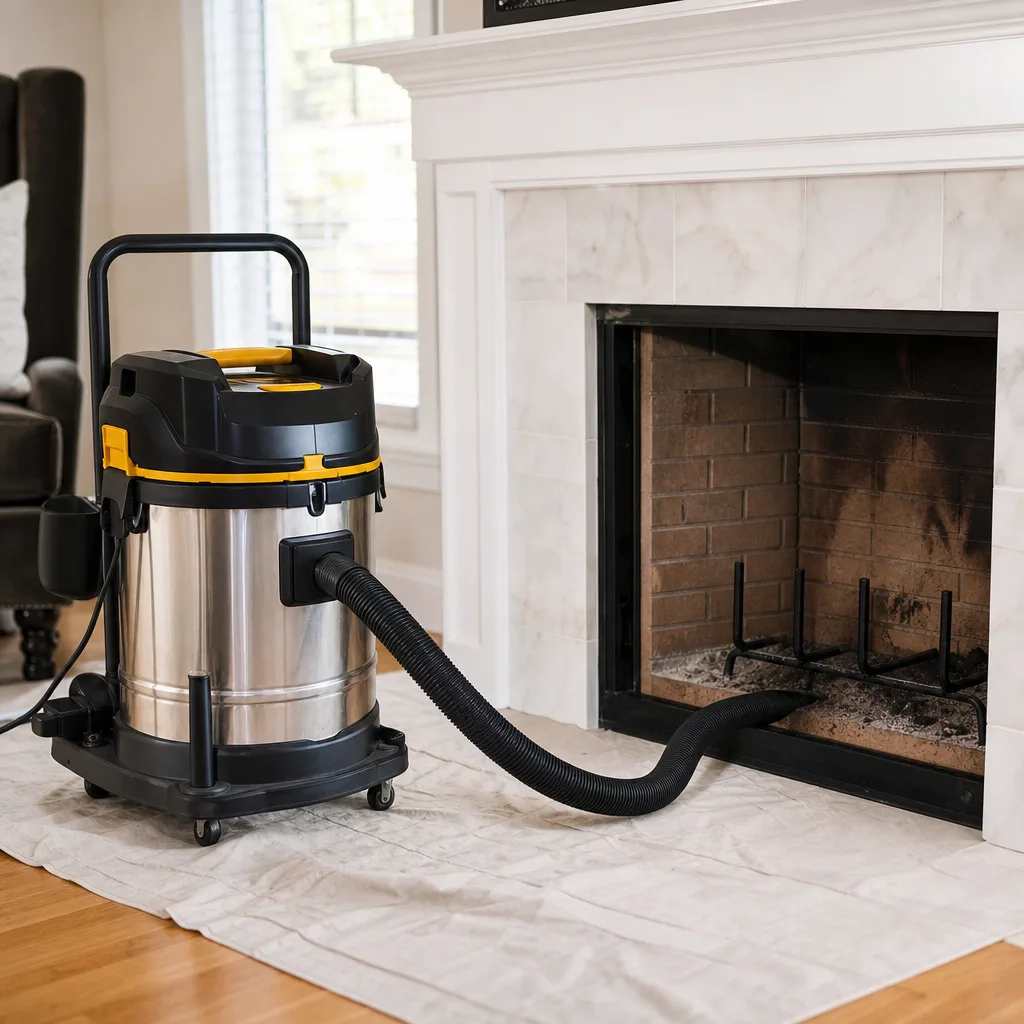
Applying chimney cleaning in Nashville requires a systematic, professional approach to safely clear highly flammable creosote and soot from your flue system. Homeowners can secure their venting systems by scheduling a certified sweep, preparing the hearth area, and utilizing specialized diagnostic tools to identify hidden moisture damage. Taking these steps ensures your fireplace operates safely and efficiently before the winter chill sets in.
The Step-by-Step Approach to Professional Chimney Sweeping
While some homeowners attempt DIY maintenance, professional fireplace services Nashville residents rely on follow a strict, multi-step protocol to contain soot and ensure structural integrity. A typical chimney cleaning takes between 30 to 90 minutes to complete, though Dubey Brothers notes a 60-90 minute standard for regular use to avoid underestimating service time for heavy buildup. The standard professional process follows these essential steps:
- Site Protection: Technicians lay down drop cloths and set up industrial HEPA vacuums around the hearth to prevent soot, dust, and ash from escaping into your living room.
- Internal and External Inspection: The technician examines the fireplace, damper, and flue. A detailed inspection is critical to detect hidden moisture-induced masonry degradation that standard visual sweeps fail to identify.
- Mechanical Brushing: Using specialized poly or wire brushes attached to flexible rods, the sweep cleans the flue walls from either the rooftop or from inside the hearth, stripping away accumulated soot.
- Flue Vacuuming and Debris Removal: The dislodged creosote is safely vacuumed up, and the smoke shelf, damper, and firebox are thoroughly cleaned.
- Component Check: The technician inspects the chimney cap and crown for weather damage, ensuring no water or pests can enter the system.
Why Traditional Sweeping Fails with Wet Creosote
Burning wet wood or operating a fireplace with poor ventilation creates a specific hazard that standard sweeping methods often miss. The combination of moisture and dense smoke produces a highly problematic byproduct: wet creosote. When moisture in the air mixes with dense smoke, it condenses inside the flue, forming a thick, tar-like glaze.
Standard wire brushes often slip right over this sticky, glazed creosote instead of scraping it away. Over time, this trapped moisture bakes into the brickwork, causing silent, structural decay. Addressing this requires specialized chemical treatments or rotary loop cutters designed to break the bond of glazed creosote without cracking the clay flue liners.
| Creosote Type | Characteristics | Removal Method | Risk Level |
|---|---|---|---|
| Stage 1: Sooty/Flaky | Dry, powdery, easy to brush away. | Standard chimney sweep Nashville hand brushes. | Low (Standard maintenance) |
| Stage 2: Sticky/Tar-like | Thick, tacky, high moisture content. | Rotary scraping and heavy-duty brushing. | Moderate (Restricts airflow) |
| Stage 3: Glazed (Wet Creosote) | Hard, shiny, glass-like runoff. | Chemical poultice or specialized mechanical tools. | Severe (High chimney fire risk) |
Common Mistakes and Best Practices
One of the most common mistakes local homeowners make is delaying service until the first cold snap in November. For wood-burning fireplaces used regularly during Nashville’s December-to-February heating season, an annual sweep before or after the heating season is the practical standard among CSIA-certified sweeps, according to Certified Chimney Sweeps in Nashville, TN | Verified 2026 (getlocalverified.com). Waiting until winter often means facing long booking delays and emergency service fees.
Another frequent error is ignoring the physical warning signs of buildup. According to Thumbtack, a chimney sweep is recommended if more than 1/8 inch of soot or creosote has built up in the chimney or flue. Operating a fireplace with accumulation beyond this threshold significantly increases the risk of a flue fire.
Budgeting for this service is highly manageable when planned ahead. Basic sweeping starts around $115, while standard inspections and cleaning typically range from $130 to $400, with an average of $250. Investing in this routine maintenance prevents the need for expensive, emergency chimney repair Nashville homeowners face when neglected flues deteriorate or suffer chimney fires. For reliable, year-round safety, partnering with Landmark Chimney Cleaning Service Tennessee ensures your system is thoroughly swept, inspected, and protected against the region’s humid climate.[2]
Chimney cleaning in Nashville: practical checklist
A practical chimney cleaning in Nashville checklist requires scheduling a professional inspection, measuring your creosote accumulation, and preparing your hearth for the technician. Because burning wet wood or poor ventilation accelerates soot buildup, executing these steps systematically prevents dangerous chimney fires and protects your home. Regular maintenance ensures your venting system remains safe and efficient all year long.
Why Middle Tennessee requires a specialized approach
Burning wet wood or operating a fireplace with poor ventilation creates a unique challenge for local fireplaces. When moisture-heavy air mixes with soot under poor ventilation conditions, it forms a sticky, highly corrosive substance known as “wet creosote.” Unlike dry, flaky soot, wet creosote clings stubbornly to the flue tile and cannot be brushed away with standard DIY brushes. This acidic glaze slowly eats away at your clay liner and mortar joints, making professional fireplace services Nashville homeowners trust essential for preventing structural deterioration.
According to GetLocalVerified, there are 4 CSIA-certified chimney sweep companies listed as verified local providers in the getlocalverified.com directory serving the Nashville metro area (2026), including established providers like Ashbusters and Chim Chimney Inc. Relying on certified expertise ensures that technicians use specialized chemical solvents and heavy-duty rotary loops to safely dissolve and remove this glazed creosote before it damages your masonry.[1]
The essential chimney safety checklist
To keep your home safe, use this step-by-step checklist to monitor and maintain your fireplace system throughout the burning season.
- Measure the soot buildup: Open your damper and use a flashlight to scrape the flue tile. If the residue is 1/8-inch thick or looks like a shiny, black glaze, schedule a professional cleaning immediately.
- Assess your wood consumption: Track how many cords of wood you burn. According to Dubey Brothers Chimney, if you burn more than three cords of wood per season, you should consider cleaning your chimney twice annually.
- Inspect the exterior masonry: Walk outside and look up at your roofline. Check if your chimney cap and crown are still intact to prevent rainwater from mixing with soot to form wet creosote.
- Clear the hearth area: Before your technician arrives, clear a five-foot perimeter around the fireplace. Remove fragile decorations, ash grates, and firewood to give the team clean access.
- Verify draft and damper functionality: Ensure the damper opens and closes smoothly without sticking. A sticky damper is often the first warning sign of heavy creosote buildup at the throat of the chimney.
Understanding the timeline and next steps
Many homeowners delay maintenance because they worry about a messy, day-long disruption. However, professional chimney sweep Nashville services are highly efficient. A typical chimney cleaning takes between 30 to 90 minutes, though Dubey Brothers notes a 60-90 minute standard for regular use to avoid underestimating service time for heavy buildup. This quick process includes setting up protective drop cloths, sweeping the flue, vacuuming the debris with a HEPA-filtered vacuum, and conducting a basic safety inspection.[3]
If the technician discovers cracked flue tiles, deteriorating mortar, or water leaks during the cleaning, you must transition to repairs. Addressing a minor chimney repair Nashville homes frequently need, such as tuckpointing or crown resealing, prevents water from rotting your ceiling joists and floorboards. Do not wait for the autumn rush; schedule your inspection in the spring or summer with Landmark Chimney Cleaning Service Tennessee to ensure your fireplace is ready the moment the first cold snap hits the Cumberland Valley.
Need chimney cleaning in Nashville?
We’re available now — call for a fast, free estimate.
Sources
- Tennessee – chimney safety institute of america (csia) – web.csia.org (2067)
- Chimney Cleaning Prices 2026: Average Rates & What to … – housecallpro.com (2026)
- What is the Average Cost of Chimney Sweeping in 2026? – fireplaceexperts.com (2026)
- Certified Chimney Sweeps in Nashville, TN | Verified 2026 – getlocalverified.com (2026)
- Chimney sweepers near Nashville, TN – Thumbtack – thumbtack.com
Frequently Asked Questions
What specific chemical treatments are used to remove stubborn wet creosote from Nashville chimneys?
Professional sweeps use specialized chemical poultices or neutralizing sprays that break down the sticky, tar-like glaze of Stage 3 wet creosote. Landmark Chimney Cleaning Service Tennessee applies these targeted treatments to safely dissolve the bond between the glaze and your clay flue tiles without damaging the underlying masonry. Once the chemical treatment loosens the hardened glaze, technicians can safely brush it away using heavy-duty rotary loops.
How does Middle Tennessee's high humidity directly impact my chimney's interior masonry?
Nashville's humid climate introduces excess moisture into the chimney flue, which mixes with acidic soot from wood fires to accelerate the formation of corrosive wet creosote. This moisture-laden mixture slowly eats away at clay liners and mortar joints, leading to hidden structural decay. Landmark Chimney Cleaning Service Tennessee specializes in identifying and reversing this moisture-induced masonry degradation before it requires major structural rebuilding.
What is the difference between a Level 1 inspection and more advanced chimney inspections?
A Level 1 inspection is a standard visual assessment of the readily accessible portions of your chimney, checking the basic structural integrity and looking for blockages or creosote buildup. Advanced Level 2 or 3 inspections are required during home transfers, after chimney fires, or when hidden damage is suspected, utilizing specialized video cameras to inspect the entire length of the flue. For routine annual maintenance, scheduling a Level 1 inspection with Landmark Chimney Cleaning Service Tennessee is the ideal way to ensure your system is safe for the winter.
About the author
 |
Sarah Miller Sarah Miller is a chimney safety specialist and content writer with over eight years of experience in the home maintenance industry. Holding a degree in Communications from the University of Tennessee, she combines her technical knowledge with clear, accessible writing to educate homeowners on the importance of regular chimney care. Sarah has previously worked alongside certified chimney sweeps, giving her firsthand insight into emergency repairs and maintenance best practices. |
Chimney overdue for a cleaning or inspection?
We’re available now — call for a fast, free estimate.
Call Now - Free Estimate