
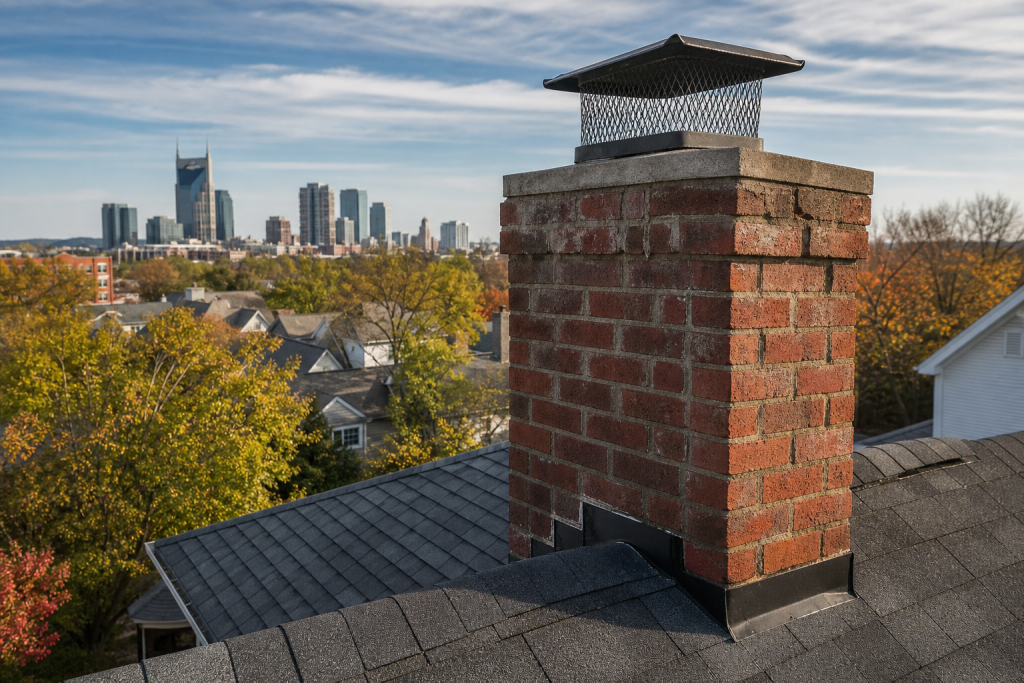
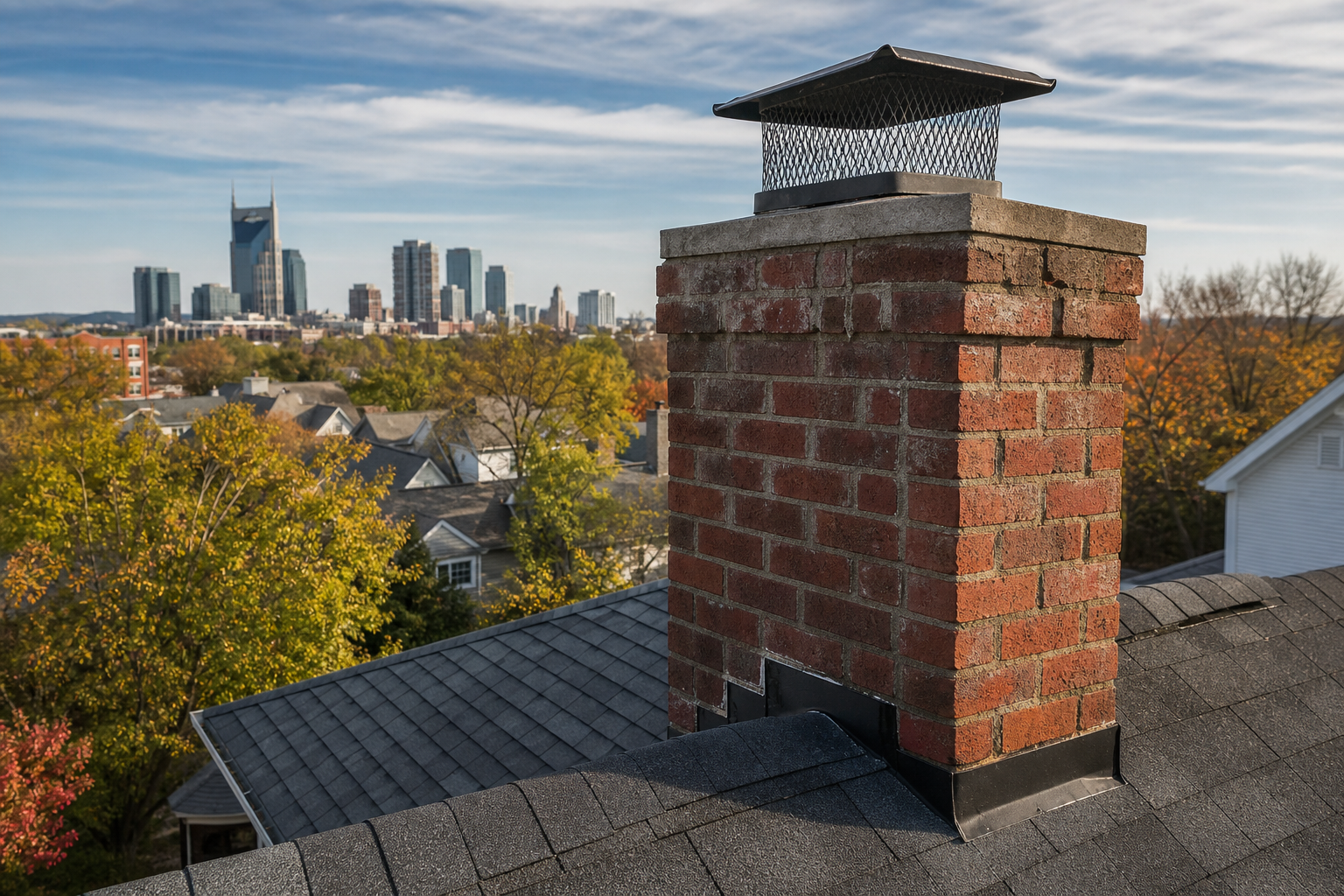
Emergency Chimney Cleaning & Sweep Near Me: What Nashville Homeowners Should Do First
If you suspect a chimney emergency in Nashville, stop using the fireplace immediately, close the damper if it’s safe to do so, and call 911 if you see flames or hear a roaring sound from the chimney — then call a certified chimney professional. For smoke backdraft issues without active flames, open a nearby window, exit the room, and contact an emergency sweep who can inspect before the next burn. If you’d rather not handle the diagnosis yourself, call Landmark Chimney Cleaning Service Tennessee at (833) 753-1759 — Richard handles emergency calls personally and can walk you through immediate steps while en route.
Here’s the mistake we see most often: Nashville homeowners smell smoke where it doesn’t belong, panic, and start opening every window in the house while the fire is still drawing. In 14 years of chimney work across Davidson County, we’ve arrived at homes where a containable situation became a full chimney fire because the first five minutes were handled wrong. The instinct to “call someone fast” is understandable, but the sequence of what you do before the truck arrives matters more than how fast it gets there.
How to Tell If You’re Facing a Chimney Fire or a Smoke Backdraft
These two problems feel similar to a homeowner — smoke, heat, fear — but they demand opposite responses. Getting this wrong can escalate the situation dramatically.
Signs of an active chimney fire:
- A loud roaring or freight-train sound coming from the flue
- Visible flames or dense, dark smoke exiting the top of the chimney
- Intense heat radiating from the chimney structure itself — exterior bricks too hot to touch
- Acrid, oily smoke smell that’s sharply different from normal wood-burning odor
- Sparks or flaming material dropping into the firebox from above
Signs of a smoke backdraft problem:
- Smoke slowly seeping into the living space without the intense heat or roaring sound
- Smoke entering when you first light the fire, then improving as the flue warms
- Smoke issues on windy days or when multiple exhaust fans run in the house
- No abnormal heat on exterior chimney surfaces
In Nashville’s older neighborhoods like Germantown and East Nashville, we regularly see backdraft issues caused by negative pressure in tightly sealed historic homes — completely different from a chimney fire, and opening windows is actually the right move. But during an active chimney fire, that same ventilation feeds oxygen to the event. The distinction saves homes.
Richard handles emergency diagnostics personally, and in our experience, about 60% of “emergency” calls in Nashville turn out to be backdraft or drafting issues solvable without major repair — but you can’t tell from the living room which one you’ve got.
The Exact Steps to Take During a Chimney Fire (Before Anyone Arrives)
These steps come from 14 years of post-fire inspections and conversations with Nashville firefighters. Do them in order. Don’t skip.
- Evacuate everyone from the house immediately. Chimney fires can breach the flue and spread to wall cavities with little warning.
- Call 911. Even if the fire seems contained, the fire department needs to verify the structure is safe. Chimney fires can reignite hours later.
- Close the fireplace damper if you can do so without delay or danger. This restricts oxygen flow up the flue. If the damper is stuck or the firebox is too hot, leave it.
- Close all doors and windows in the house. This is counterintuitive and opposite of what most people do. Starving the fire of oxygen matters more than ventilating smoke.
- Move combustibles away from the hearth area — furniture, rugs, firewood, holiday decorations.
- Extinguish the fire in the firebox only if you can do so safely with a dry chemical fire extinguisher. Do not throw water on a hot fireplace — thermal shock can crack masonry and damage liners.
- From outside, check if flames or heavy smoke are visible at the chimney top. Report this to 911 and to your chimney professional.
- Do not re-enter the house until firefighters clear it.
We inspected a chimney in Sylvan Park last spring where the homeowner had done everything right — closed the damper, sealed the house, called 911 first. The fire department contained the event in minutes. The neighboring house on the same block, same night, same wind conditions: the owner opened every window to “clear the smoke,” and the fire department arrived to a fully involved attic fire. The first five minutes are in your hands.
Why Your Chimney Needs Professional Inspection After Any Fire — Even a “Small” One
A chimney that survives a fire is not automatically safe to use. This is the most dangerous assumption we encounter in Nashville.
Chimney fires typically burn between 1,800 and 2,000 degrees Fahrenheit — far exceeding the design limits of most residential flue systems. That heat causes damage you cannot see from the firebox:
- Thermal cracking in clay flue tiles, creating pathways for combustion gases into wall cavities
- Warping or separation of metal chimney liners, compromising their protective function
- Pyrolysis of adjacent wooden framing — chemically altered wood with a lower ignition point, ready to ignite later at normal operating temperatures
- Compromised mortar joints and deteriorated crown integrity
After any chimney fire, the system must be inspected with a camera before the next burn. Not “checked out” — inspected with visual documentation of the flue’s interior condition. In our 14 years, we’ve found critical liner damage in chimneys where the homeowner reported “just a little smoke” and assumed everything was fine.
We use professional-grade inspection equipment and, when relining is necessary, specify materials like DuraFlex and Olympia Chimney products — the same lines certified chimney professionals specify nationwide. Richard handles post-fire inspections personally; these aren’t delegated to a rotating crew.
What to Tell the Emergency Dispatcher or Chimney Sweep When You Call
The information you provide in the first 30 seconds determines the response. Here’s what helps:
- Fire or smoke only? “I see flames coming from the top of my chimney” versus “Smoke is coming into my living room.”
- Fuel type: Wood-burning fireplace, gas insert, pellet stove — each has different risks and required equipment.
- Chimney type: Masonry with clay tile, metal prefab, or lined/unlined if you know it. Nashville’s pre-1950s homes often have unlined masonry chimneys originally built for coal or oil — higher risk configurations.
- When you last had it swept: Heavy creosote buildup is the leading cause of chimney fires; this tells responders what they’re likely facing.
- Any recent changes: New roof, new appliances, new weatherstripping, or nearby construction that might affect drafting.
- Your address and nearest cross-street: Nashville’s hills and winding streets can delay response without clear location details.
When you call (833) 753-1759, Richard will ask these questions specifically. The answers let us bring the right equipment and materials — whether that’s a camera for inspection, Famco caps and fittings for weather protection, or HeatShield resurfacing products for liner repair.
Preventing the Emergency: Nashville-Specific Factors
Nashville’s climate and housing stock create distinct chimney risks that routine maintenance addresses before they become emergencies.
Our freeze-thaw cycles — hard freezes followed by 60-degree days, common from December through February — accelerate masonry deterioration. Water infiltrates crown cracks, freezes, expands, and opens pathways for combustion gases. We’ve rebuilt crowns in Belle Meade and Green Hills where a $300 crown repair three years earlier would have prevented $4,000 in water and fire-damage restoration.
The city’s boom-era construction (2015–2023) also introduced a wave of fireplaces installed by builders using the lowest-bid subcontractor, not chimney specialists. We’ve found unlined flues, improperly sized liners, and missing dampers in homes that passed final inspection. Annual inspection catches these before the first heating season reveals them the hard way.
For homeowners burning hardwood — oak and hickory are common in Middle Tennessee — creosote accumulates more slowly than with softwoods, but it burns hotter and harder when it does ignite. Annual sweeping remains essential regardless of wood choice.
When to call a pro: If you smell smoke where it doesn’t belong, see any sign of fire outside the firebox, or can’t remember your last professional inspection, don’t wait for an emergency. Richard handles routine and emergency calls personally — there’s no junior crew learning on your chimney.
Related services in Nashville: For comprehensive chimney care beyond emergency response, explore our Chimney Cleaning & Sweep in Knoxville services, or if you’re dealing with structural damage, our Chimney Repair in Knoxville and Fireplace Services in Knoxville pages detail our full capabilities.
The Bottom Line
Chimney emergencies in Nashville are containable when homeowners know the sequence: distinguish fire from backdraft, contain before ventilating, call 911 for active fires, and never use a chimney post-fire without professional camera inspection. The first five minutes are yours; what you do with them matters more than response time.
Landmark Chimney Cleaning Service Tennessee has handled emergency calls across Davidson County for 14 years. Richard Anderson, Owner and Lead Technician, responds personally — not a rotating crew, not a dispatcher sending whoever’s available. From your annual sweep to a full liner rebuild after a fire, one specialist handles it start to finish. If you’re in Nashville and need help, call (833) 753-1759 for a free estimate. We’re at Landmark Chimney Cleaning Service Tennessee home for more information.
Frequently Asked Questions
Emergency chimney cleaning in Nashville typically runs $200–$350 for after-hours response, with post-fire camera inspections adding $150–$250 depending on flue accessibility and height. Standard business-hours sweeps range $150–$220. Call (833) 753-1759 for an exact quote — estimates are free, and Richard will quote your specific situation directly.
Yes, we prioritize same-day response for active chimney fires and hazardous backdraft conditions across Nashville. For non-emergency but urgent situations — strong smoke odor, visible creosote buildup, or pre-season inspections — we typically schedule within 48 hours. Call (833) 753-1759 and Richard will give you a realistic arrival window based on current location.
Most post-fire chimneys are repairable — relining with DuraFlex or Olympia Chimney stainless systems, crown reconstruction with professional-grade materials, and selective masonry repair typically cost 40–60% less than full rebuilds. Replacement is only necessary when structural integrity is compromised across multiple courses of brick or when the flue system is obsolete and non-compliant with current codes. We provide camera-documented assessments so you can make an informed decision. Call (833) 753-1759 for a free post-fire evaluation.
Emergency signs requiring immediate professional response: visible flames or heavy smoke from the chimney top, roaring sounds from the flue, smoke filling your living space during normal operation, or a hot exterior chimney surface you can’t touch comfortably. Routine maintenance indicators: it’s been over 12 months since your last sweep, you notice minor odor when the fireplace isn’t in use, or you see light soot staining around the firebox. When uncertain, treat it as urgent — call (833) 753-1759 and Richard will help you assess over the phone.
Written by Richard Anderson, Owner & Lead Technician at Landmark Chimney Cleaning Service Tennessee, serving Nashville since 2012.
Need Chimney Cleaning Help?
Call Landmark Chimney Cleaning Service Tennessee — licensed & insured, here with fast after-hours help in Tennessee.
(833) 753-1759