
Chimney Liner Installation Cost in Tennessee: What Homeowners Actually Pay
Chimney liner installation in Tennessee typically runs $2,800–$5,500 for a standard single-flue stainless steel system, with most homeowners landing near $3,800 for a complete job including materials, insulation wrap, and labor. Call (833) 753-1759 for a free, itemized estimate—Richard handles the inspection and installation personally, so you won’t get shuffled between a sales rep and a subcontractor crew.
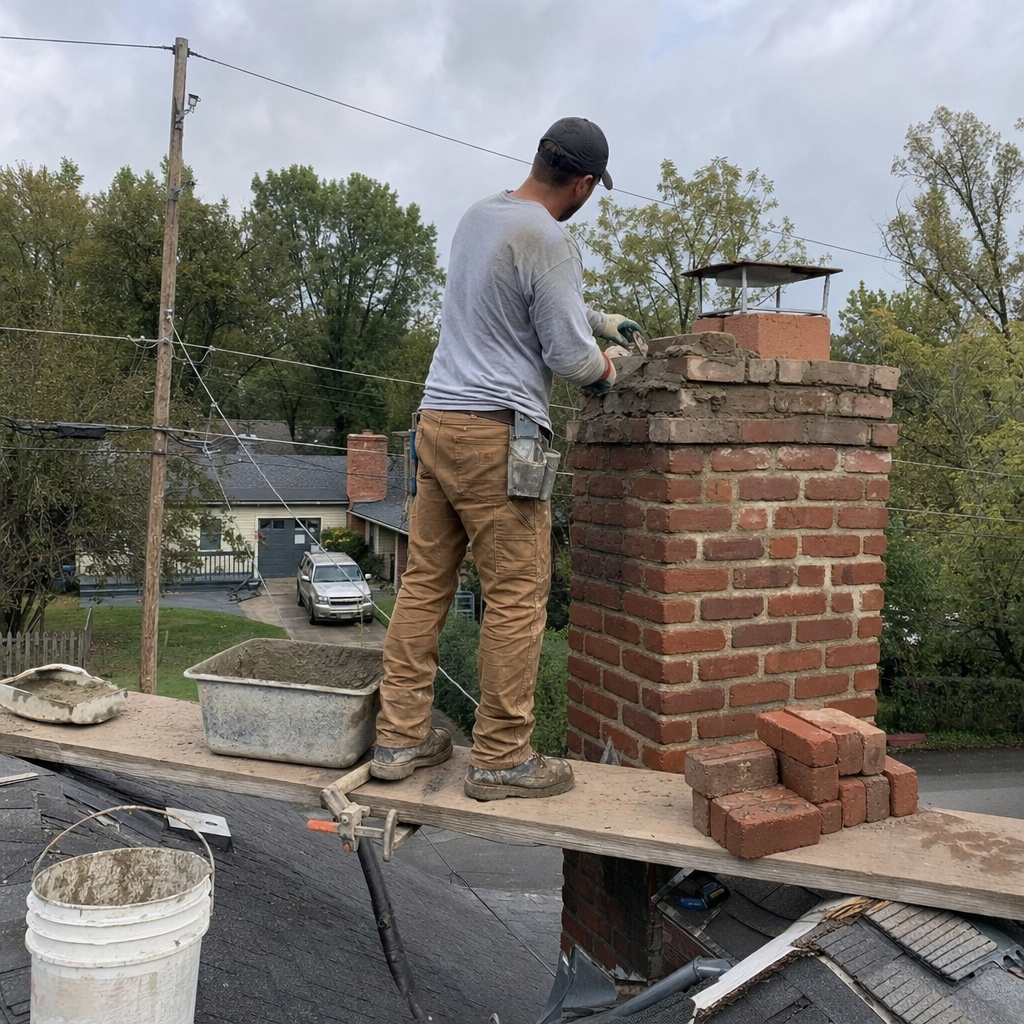
Tennessee’s housing stock tells its own story. From the post-war brick ranches of East Memphis to the center-hall colonials in Germantown and the mid-century builds scattered through Cordova, thousands of chimneys here still carry original clay tile liners installed when oil heat was king. That conversion wave to gas inserts—really picking up steam after 2010—left a lot of 8-inch flues trying to serve 4-inch appliances. The diameter mismatch isn’t just inefficient; it’s the single most expensive mistake we correct after a botched installation. We’ve seen it enough times that we lead every liner consultation with a combustion analysis and flue sizing calculation, not a sales pitch.
Why Liner Diameter Drives Cost More Than Flex vs. Rigid
Every cost guide on the internet wants to compare flexible stainless liners against rigid ones. That’s fine as far as it goes, but it’s not where the money actually moves. The real cost variable is whether the liner diameter matches the appliance’s BTU output and fuel type—and in Tennessee, that match is wrong more often than right.
An undersized liner chokes draft, traps combustion gases, and accelerates creosote buildup in wood-burning systems. An oversized liner—especially common when a gas insert gets dropped into a flue built for an oil furnace—runs too cool, condenses acidic moisture, and corrodes through in five to seven years. We’ve pulled out “new” liners in Cordova that looked like they’d been underwater because someone sized for the chimney, not the appliance.
Here’s how the sizing breaks down in practice:
- Gas inserts (most common conversion): 4-inch or 6-inch diameter, depending on BTU rating
- Wood stoves and fireplaces: 6-inch to 8-inch, sized to the appliance collar and chimney height
- Oil-to-gas conversions on original flues: Often require dropping from 8-inch clay to 6-inch or 4-inch stainless, with insulation to fill the annular space
The cost spread between a properly sized, insulated 4-inch system and an oversized uninsulated 8-inch flex run can exceed $1,800 on the same chimney. That’s not material quality—that’s geometry.
What Tennessee’s Conversion History Means for Your Chimney
Richard grew up in the Germantown corridor and has spent the better part of 14 years working on the homes there. He knows which blocks still have 1960s clay tile that hasn’t seen a brush in a decade, and which neighborhoods had oil tanks in the basement until the late 2000s. That local fluency matters because Tennessee’s building records don’t always document fuel conversions, and a visual inspection alone won’t tell you if the flue was ever resized for the current appliance.
We use a video scan on every liner evaluation—no exceptions. The camera doesn’t just find cracks and gaps; it lets us measure the actual flue dimensions against the manufacturer’s spec for what’s burning in your firebox now. That 30-minute step saves homeowners from the $3,000–$4,000 do-over when a liner fails prematurely.
The most common scenario we encounter: a homeowner in East Memphis or Bartlett bought a gas insert from a hearth shop, had it installed by the store’s contracted crew, and nobody checked whether the existing clay liner could handle the new appliance’s venting requirements. The insert works—sort of—until the draft fails on a cold morning or the corroded liner starts leaking condensation into the chimney chase. Then we’re called in to fix what should have been diagnosed on day one.
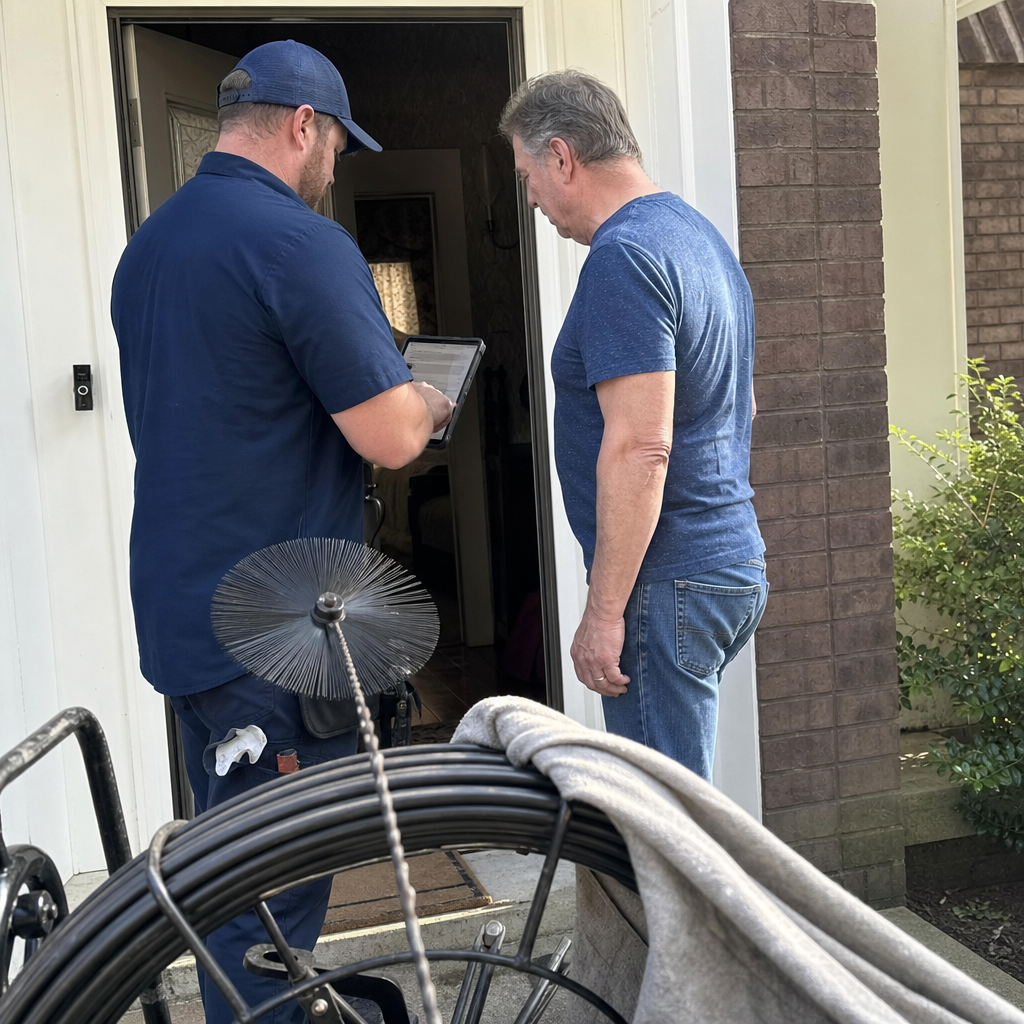
Because Richard handles the sweep, the camera inspection, and the Chimney Liner & Rebuild installation itself, you’re not paying a diagnostic fee to one company and an installation markup to another. That single-source workflow typically saves $150–$300 in duplicate trip charges, and more importantly, it means the person who saw your flue is the person sizing your liner.
Complete Cost Breakdown: Every Line Item Explained
We don’t quote “ballpark” numbers that balloon once we’re on the ladder. Here’s what actually goes into a liner installation price in Tennessee:
| Item | Low | High |
|---|---|---|
| Stainless steel liner (flex or rigid, sized to appliance) | $1,200 | $2,400 |
| Insulation wrap (required for exterior chimneys, attic chases, and condensation control) | $350 | $650 |
| Top plate / termination cap (Gelco or Olympia Chimney spec) | $180 | $340 |
| Nose cone, connector, and adapter fittings | $120 | $260 |
| Labor: removal of damaged liner/tile, installation, sealing | $950 | $1,850 |
| Total typical installation | $2,800 | $5,500 |
Complexity factors that push toward the high end: offset chimneys (common in pre-1970 Tennessee homes where the flue isn’t plumb), multiple appliance connections, masonry repair to the smoke chamber or throat, and chase cover replacement. We quote these separately so you’re not surprised.
For offset chimneys—which we see constantly in the older neighborhoods near Overton Park and Midtown—we spec DuraFlex liner systems specifically. The corrugation pattern maintains flexibility for those angled flue runs without sacrificing the UL listing your homeowner’s insurance requires. Richard’s used DuraFlex on enough stubborn offsets to know where it’ll thread and where we need to open the chase wall instead. That judgment call comes from 14 years of one specialty, not a training video.
How to Tell If Your Current Liner Is Wrong-Sized
Homeowners can’t measure a flue from the hearth, but there are warning signs that the diameter—or the liner itself—is failing:
- Condensation stains on the chimney breast or adjacent drywall, especially in gas systems: oversized or uninsulated liner running too cool
- Smoke spillage at startup or when adding fuel: undersized liner, blocked flue, or damaged tile
- Strong odor from the fireplace in summer: cracked tile or failed liner letting downdrafts carry smell into the house
- White or orange staining on exterior brick: acidic condensation eating through mortar—classic oversized gas liner symptom
- Your “chimney guy” never asked what appliance you burn or its BTU rating: red flag that sizing was never considered
We diagnose with a Level 2 inspection—video scan, accessible interior evaluation, and combustion analysis if gas is involved. If the flue only needs a cleaning, that’s all we’ll tell you. If it needs more, we’ll show you the footage and explain exactly why before any work starts. A clean flue is a quiet flue—you shouldn’t have to think about it until next season.
What Sets Landmark Apart on Liner Work
Volume-driven chimney franchises in Tennessee often run sweep crews and subcontract liner installs to whoever’s available. That model works for them, but it means the person quoting your job isn’t the person climbing your roof—and if something fails, you’re navigating between two companies’ warranties.
Richard Anderson serves as Owner and Lead Technician on every liner installation. The same 4.9-star average across 364 verified reviews that built Landmark’s reputation is the same standard applied to your chimney. We use professional-grade materials—DuraFlex, HeatShield for smoke chamber parging when needed, Gelco and Olympia Chimney for terminations and components—the same lines spec’d by certified chimney professionals nationwide. From your annual sweep to a full liner rebuild, it’s one company, one accountability chain, one phone number.
That continuity matters on liner jobs specifically because the diagnosis and the fix are inseparable. A camera scan interpreted by someone who won’t do the install might miss how an offset flue will stress a rigid liner, or how a Tennessee attic chase with poor ventilation requires insulation wrap that a basic quote omits. Richard’s seen enough of those gotchas to build them into the first conversation.
FAQs
Most Tennessee homeowners pay between $2,800 and $5,500 for a complete stainless steel liner installation, with $3,800 being the typical mid-range project. The final cost depends on liner diameter, insulation requirements, chimney height and accessibility, and whether masonry repairs are needed. Call (833) 753-1759 for a free, itemized estimate—Richard will inspect your flue personally and quote only what’s necessary.
Repairing cracked clay tile with a poured refractory system like HeatShield can cost $1,200–$2,000 and works well for localized damage in otherwise sound flues, but it’s rarely suitable for fuel conversions or extensive tile deterioration. A new stainless liner at $2,800+ is the better long-term investment when the clay is extensively cracked, the flue is wrong-sized for your current appliance, or you’ve converted from oil to gas. We’ll show you the camera footage and recommend the approach that actually solves your problem—not the one that pads our invoice.
A straightforward single-flue liner installation typically takes one full day; complex jobs with offsets, multiple appliances, or chase repairs may extend to two days. We schedule a dedicated window so Richard isn’t rushing between three jobs, and we protect your floors and hearth area while working. Most Tennessee homeowners can use their fireplace or appliance the evening of completion.
During peak season (October through February), lead times stretch to 1–2 weeks; in spring and summer, we often book within 3–5 days. Emergency situations—active water leaks, liner collapse, or CO backdrafting—get prioritized. Call (833) 753-1759 to check current availability; we’ll be honest about whether your situation can wait or needs immediate attention.
Ready for an Honest Assessment of Your Chimney?
Don’t guess at your liner size or trust a quote that never asked what you’re burning. Richard Anderson will inspect your flue, measure what needs measuring, and give you a written, itemized estimate with no pressure to book on the spot. Call (833) 753-1759 today for your free evaluation—364 homeowners have rated us 4.9 stars for a reason, and we’d rather earn your trust than rush your decision.
Written by Richard Anderson, Owner & Lead Technician at Landmark Chimney Cleaning Service Tennessee, serving Tennessee, TN.